| | |
ARTIST
OF THE MONTH: THOR
WALKER / HERAKLES —
MORE
|
| |
2013
PCA CONVENTION REGISTRATION IS NOW OPEN!
— MORE
|
| |
|
|
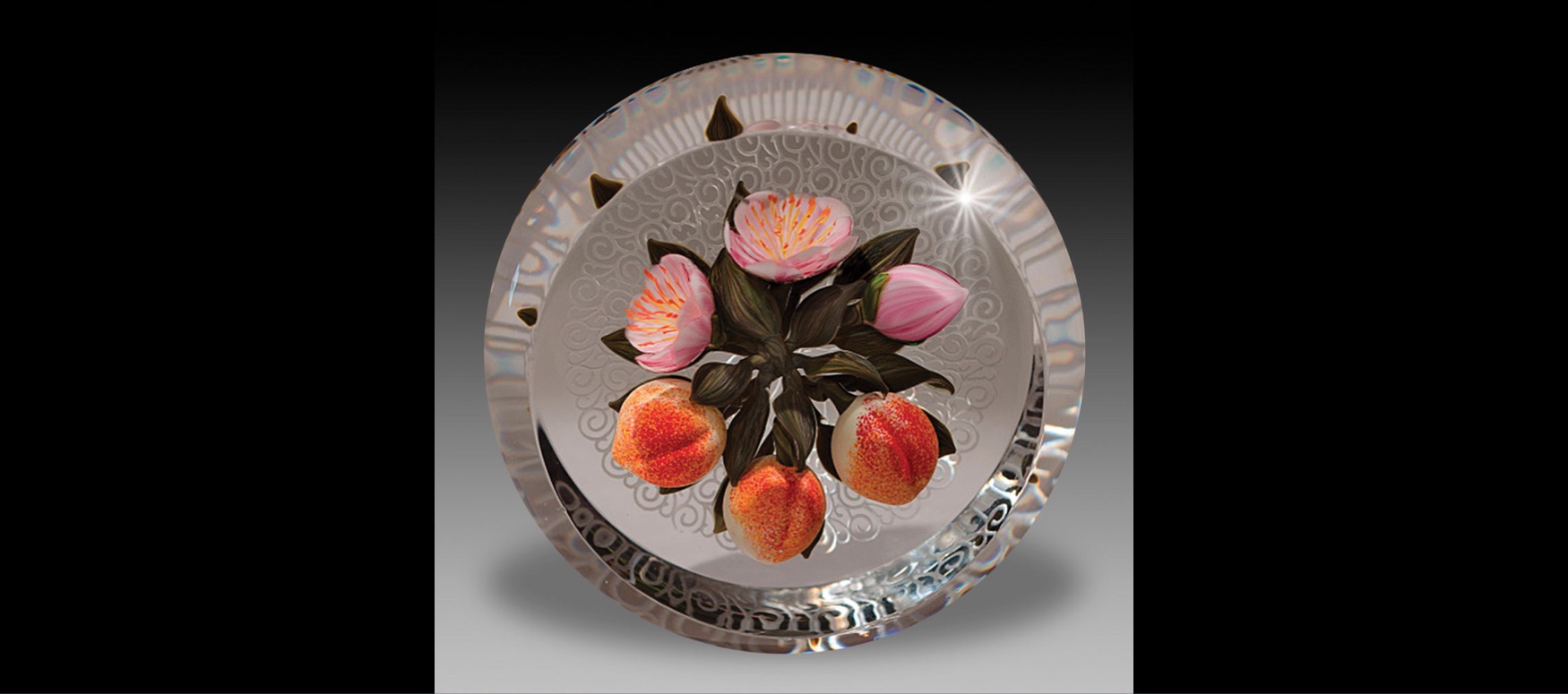
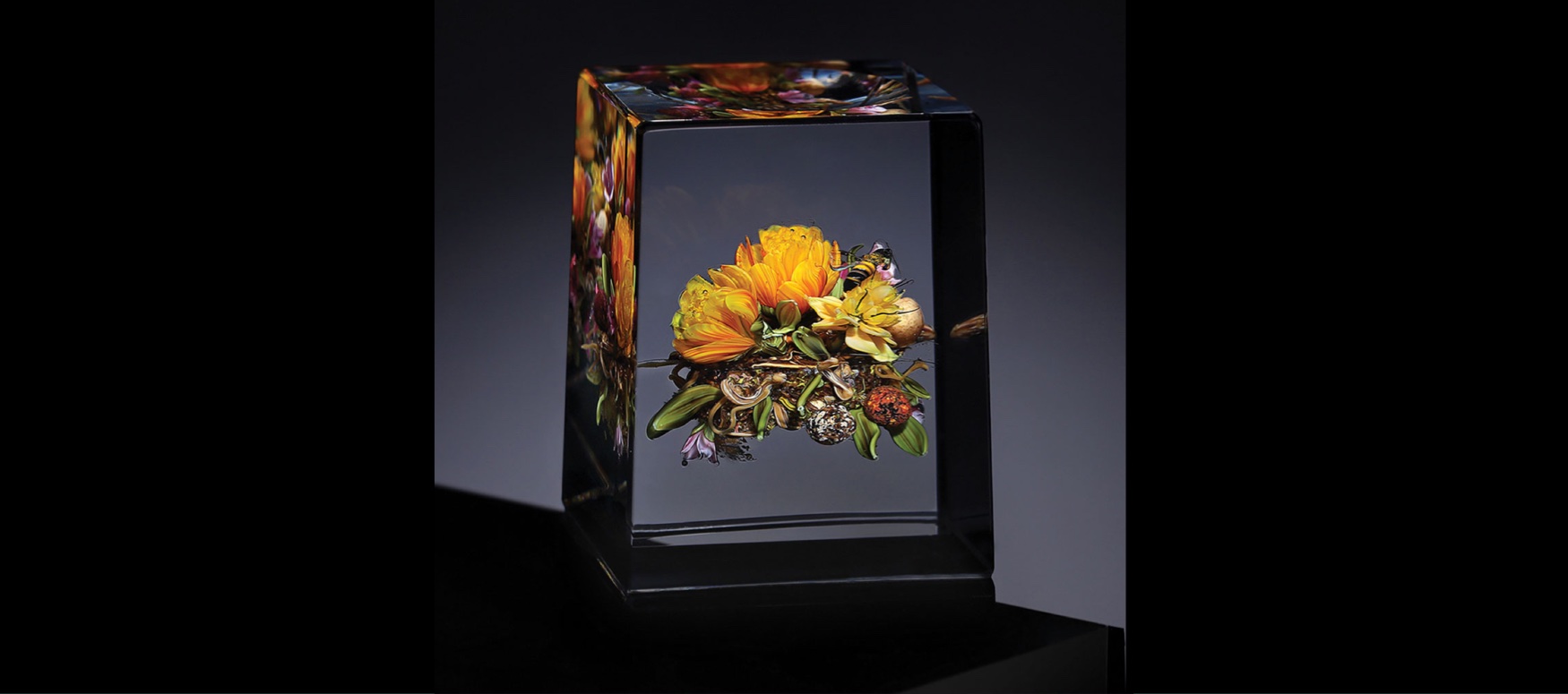
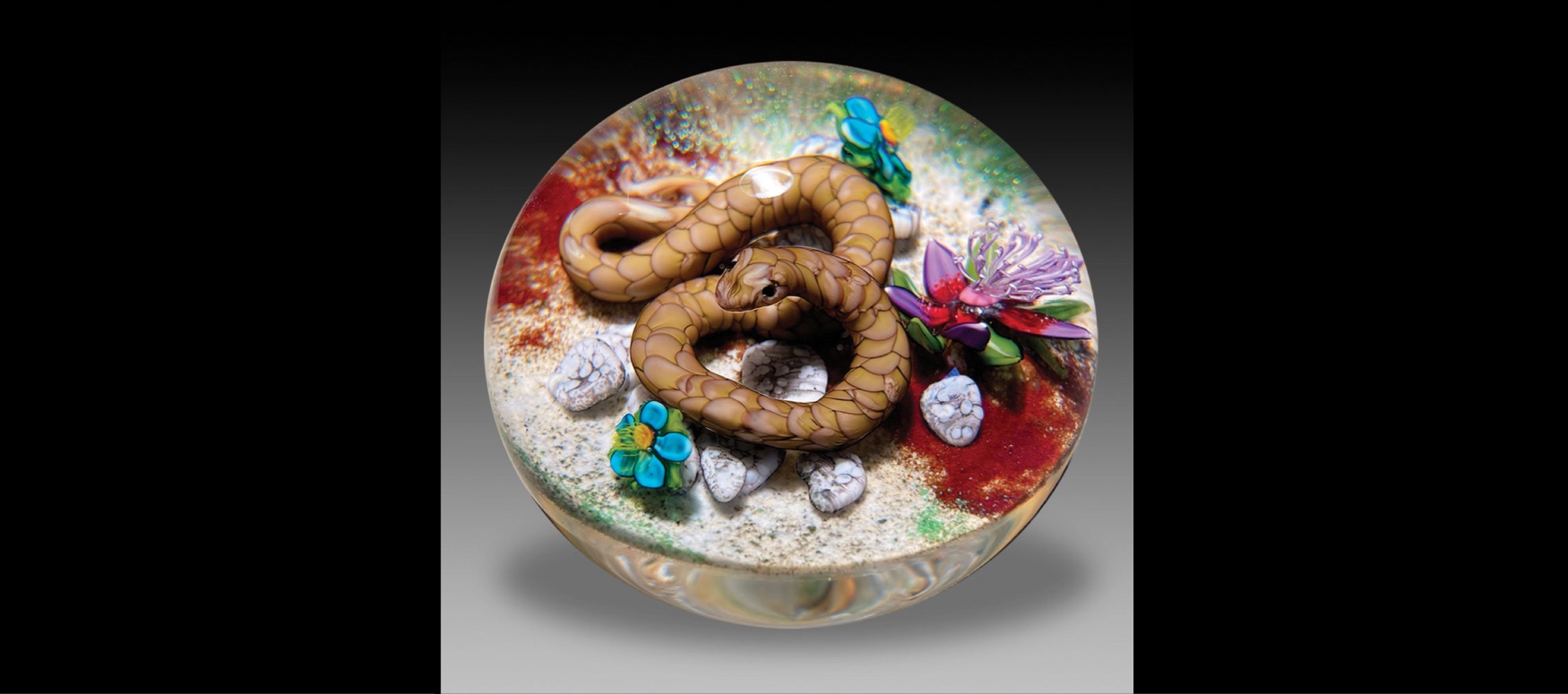
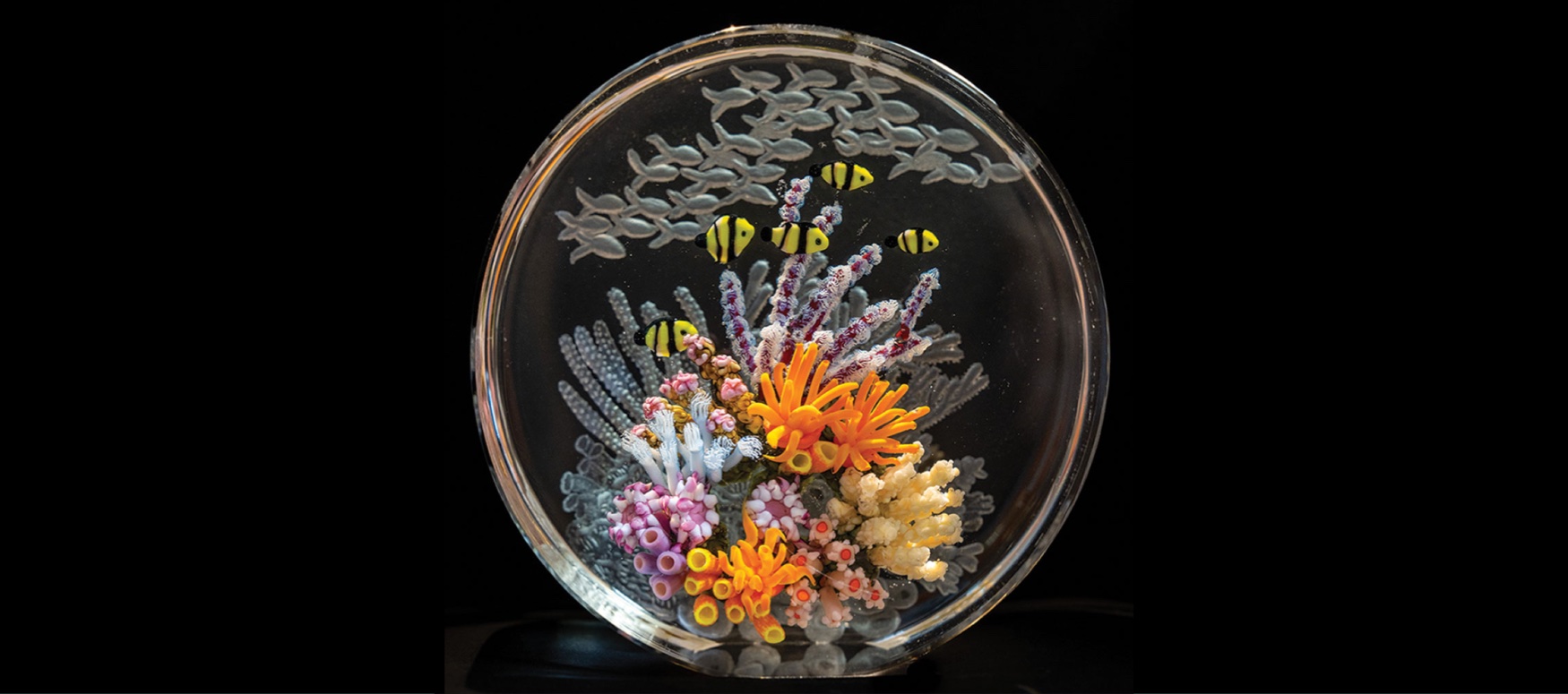
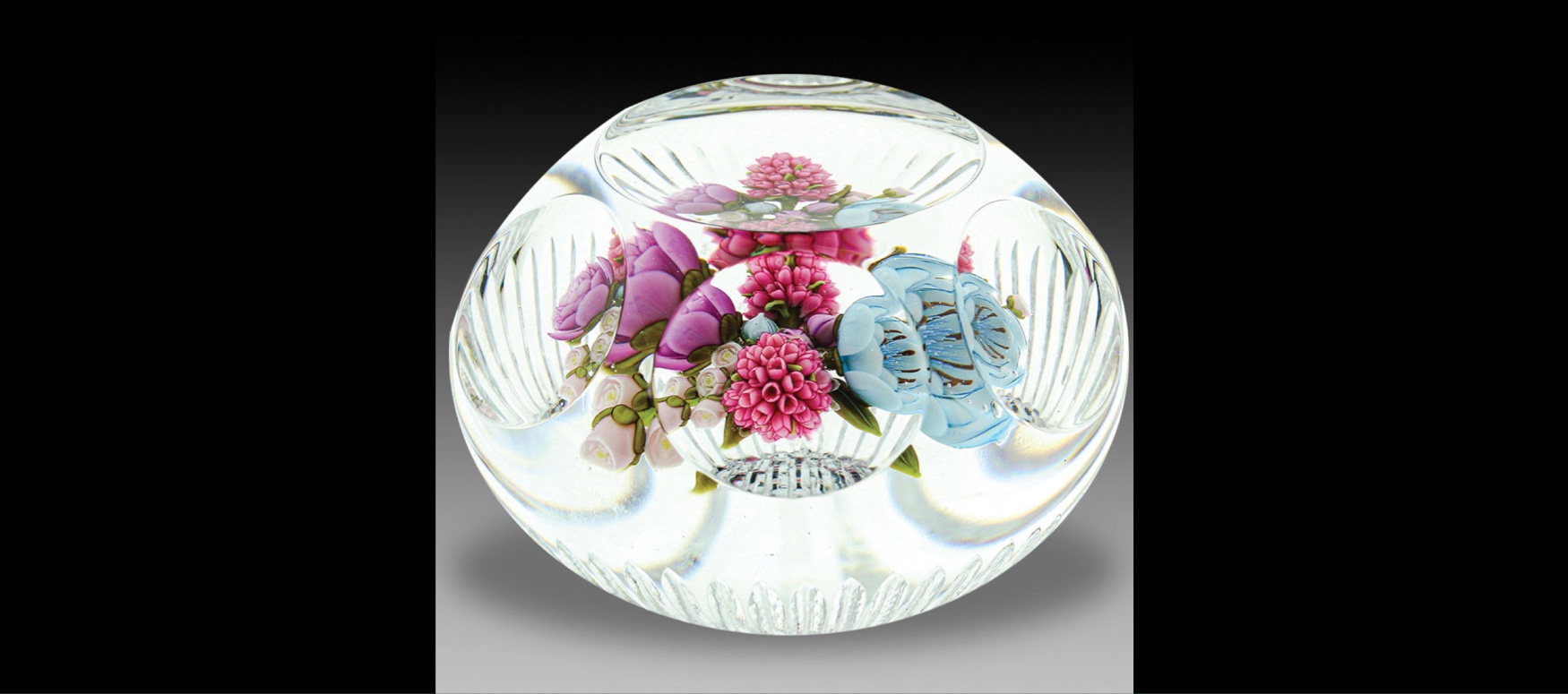
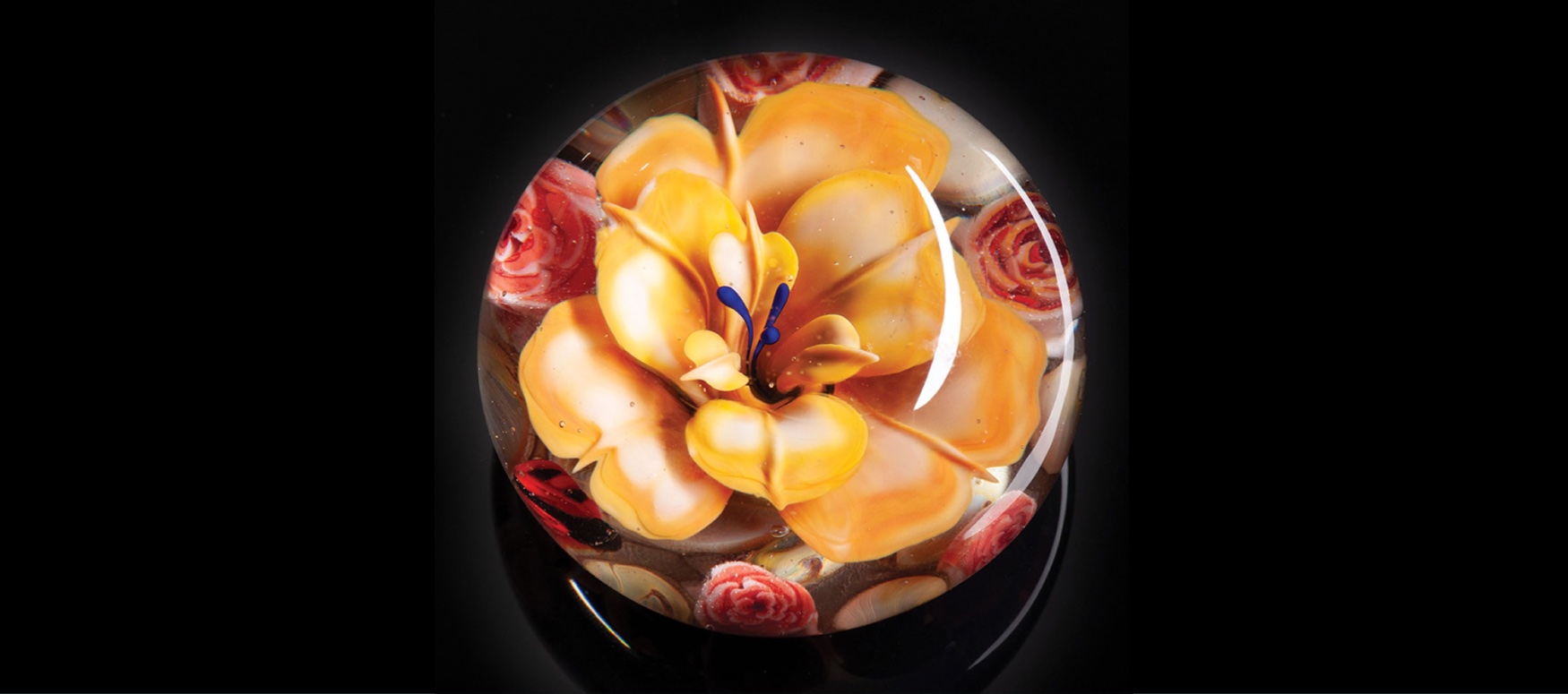
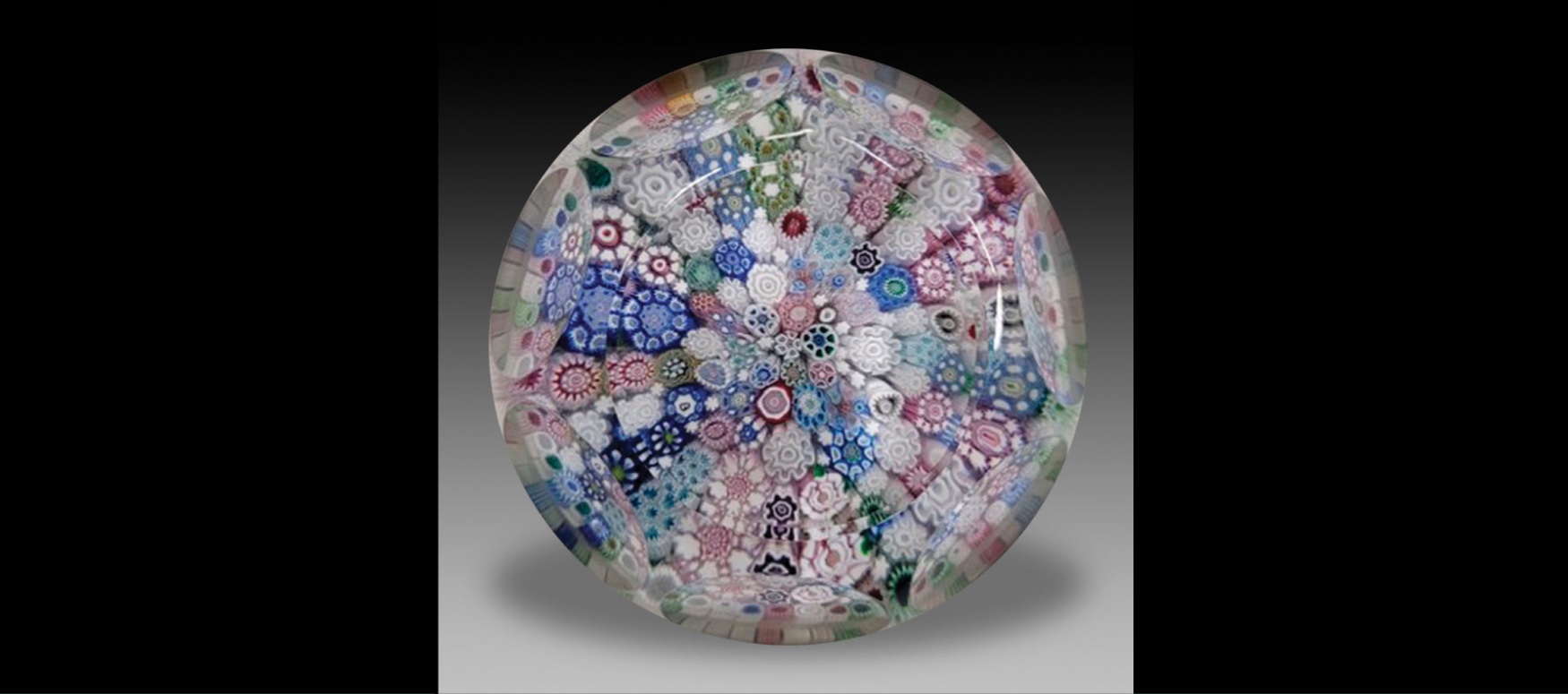
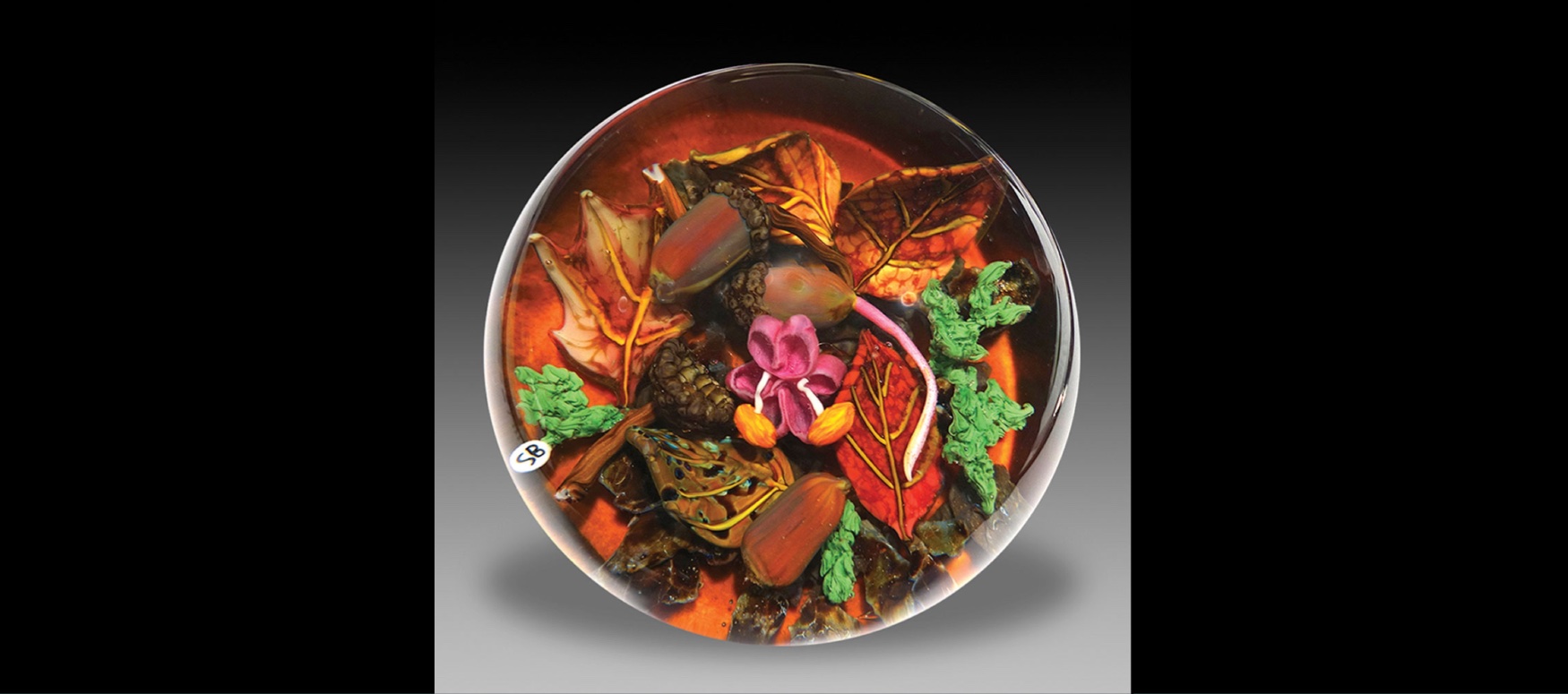
The Paperweight Collectors Association,
Inc. (PCA, Inc) is
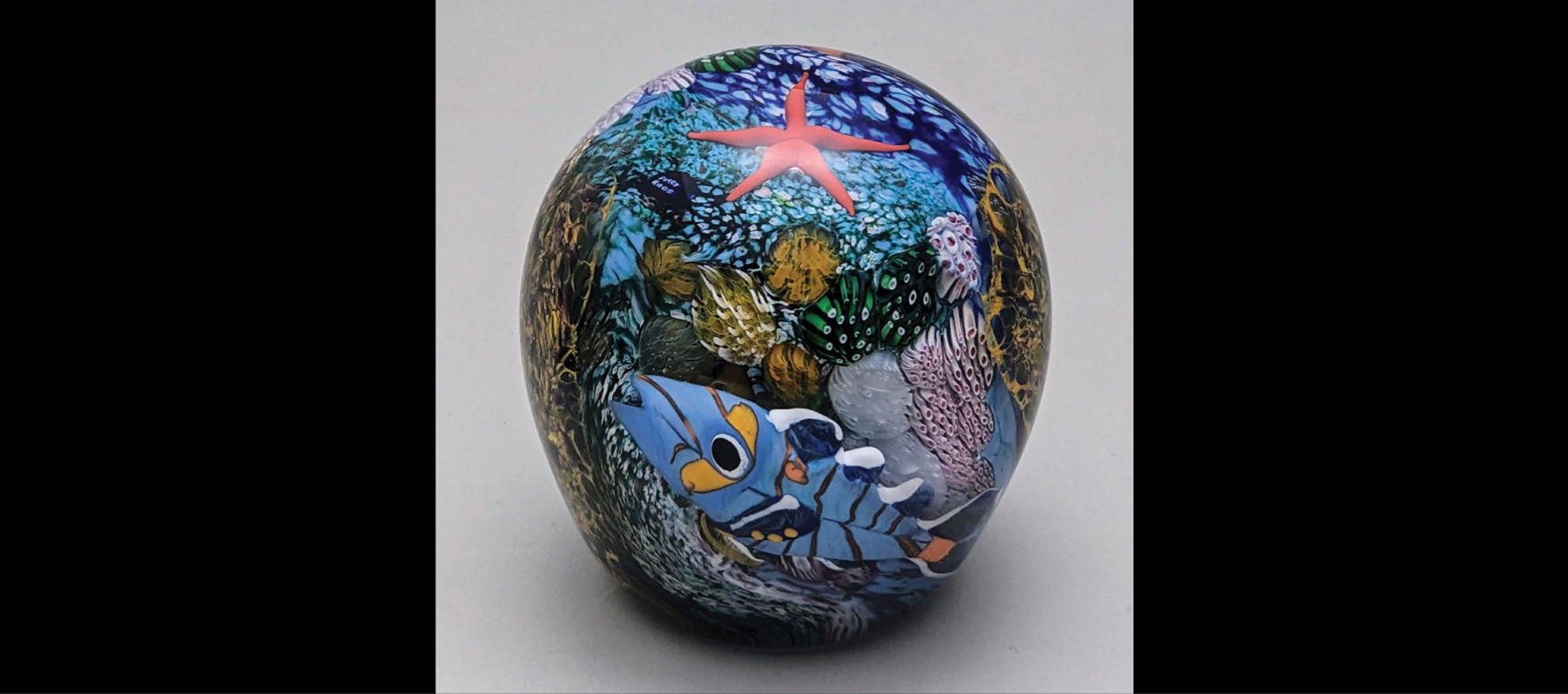
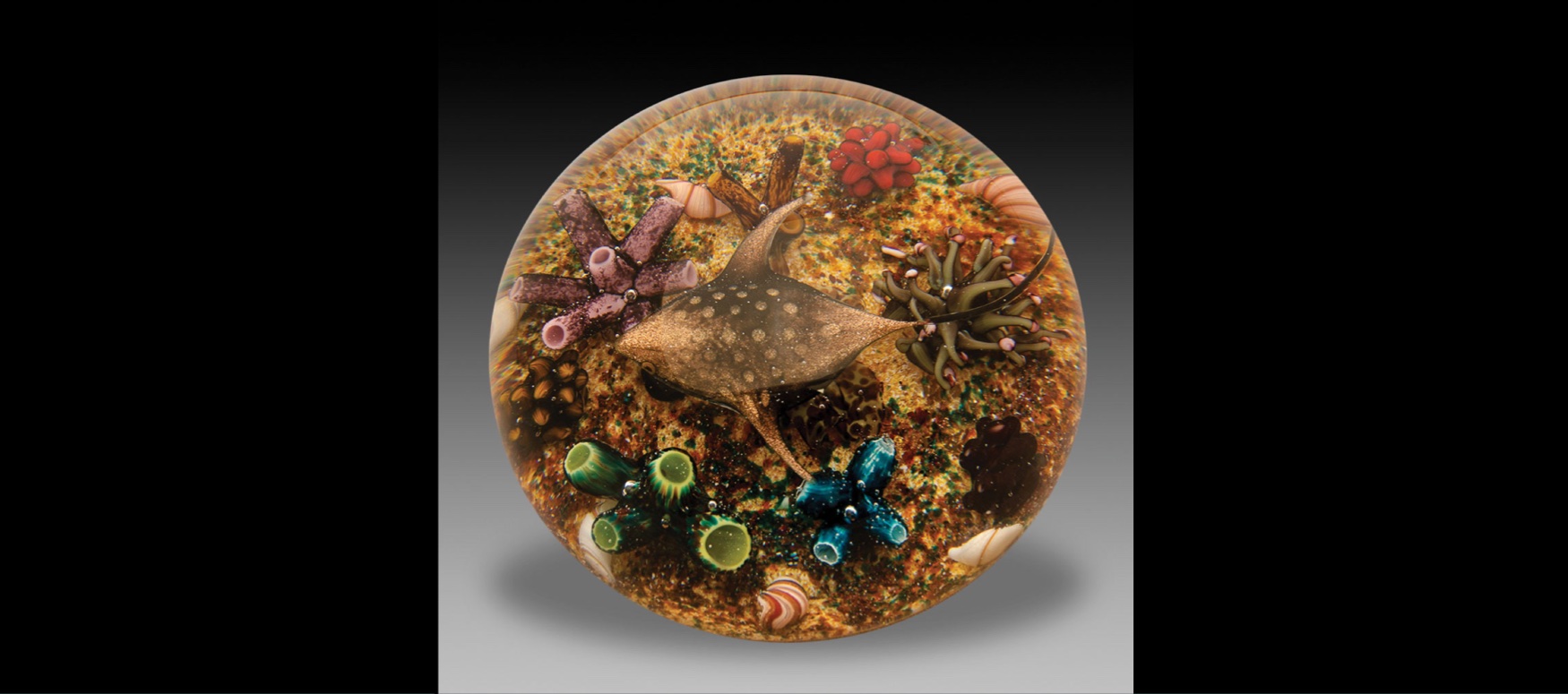
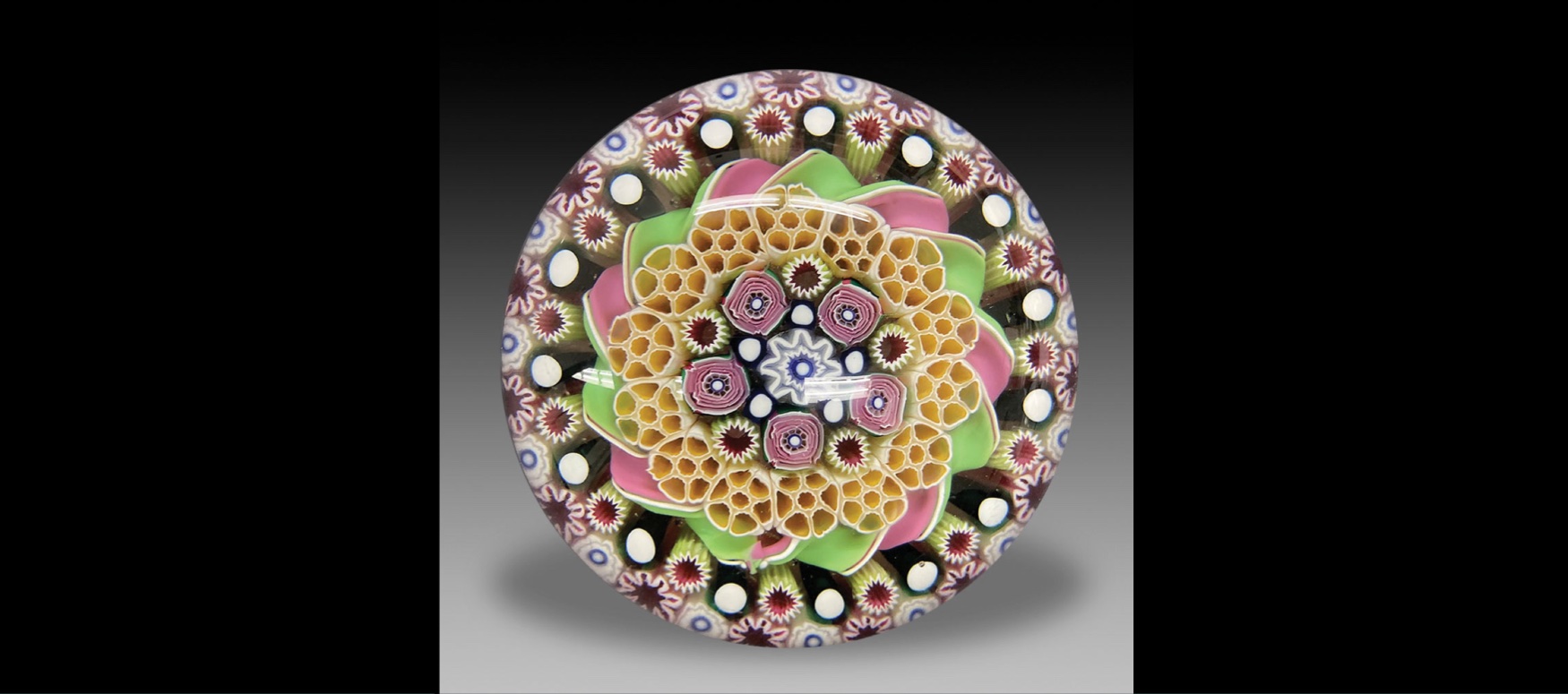
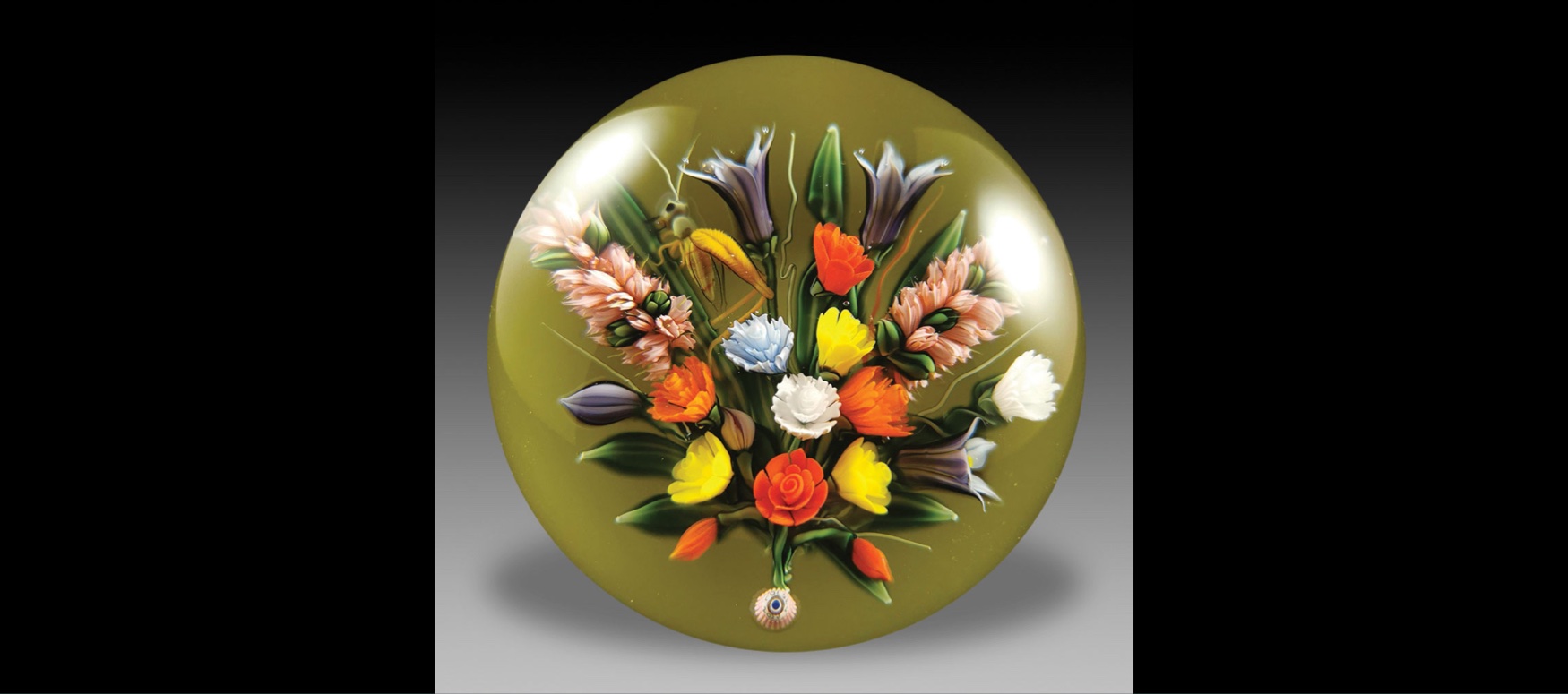
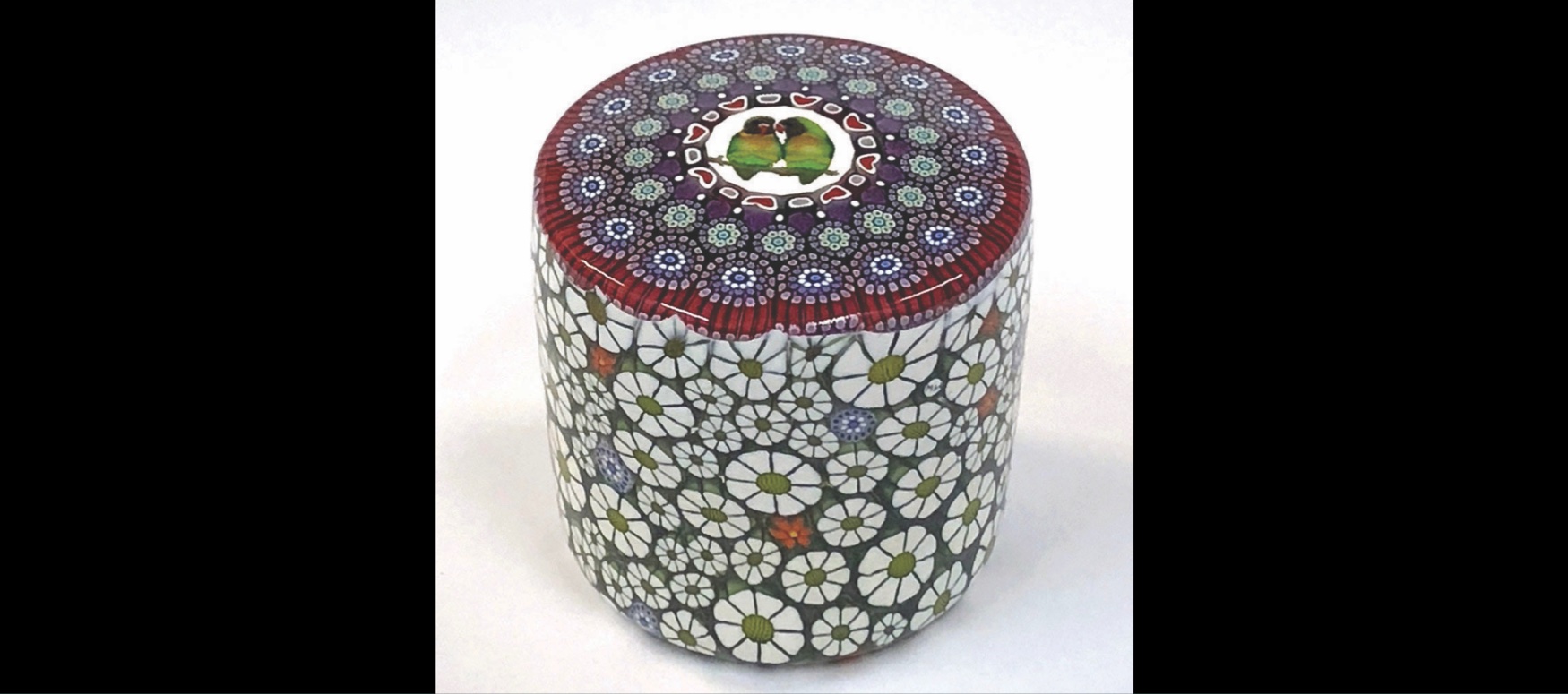
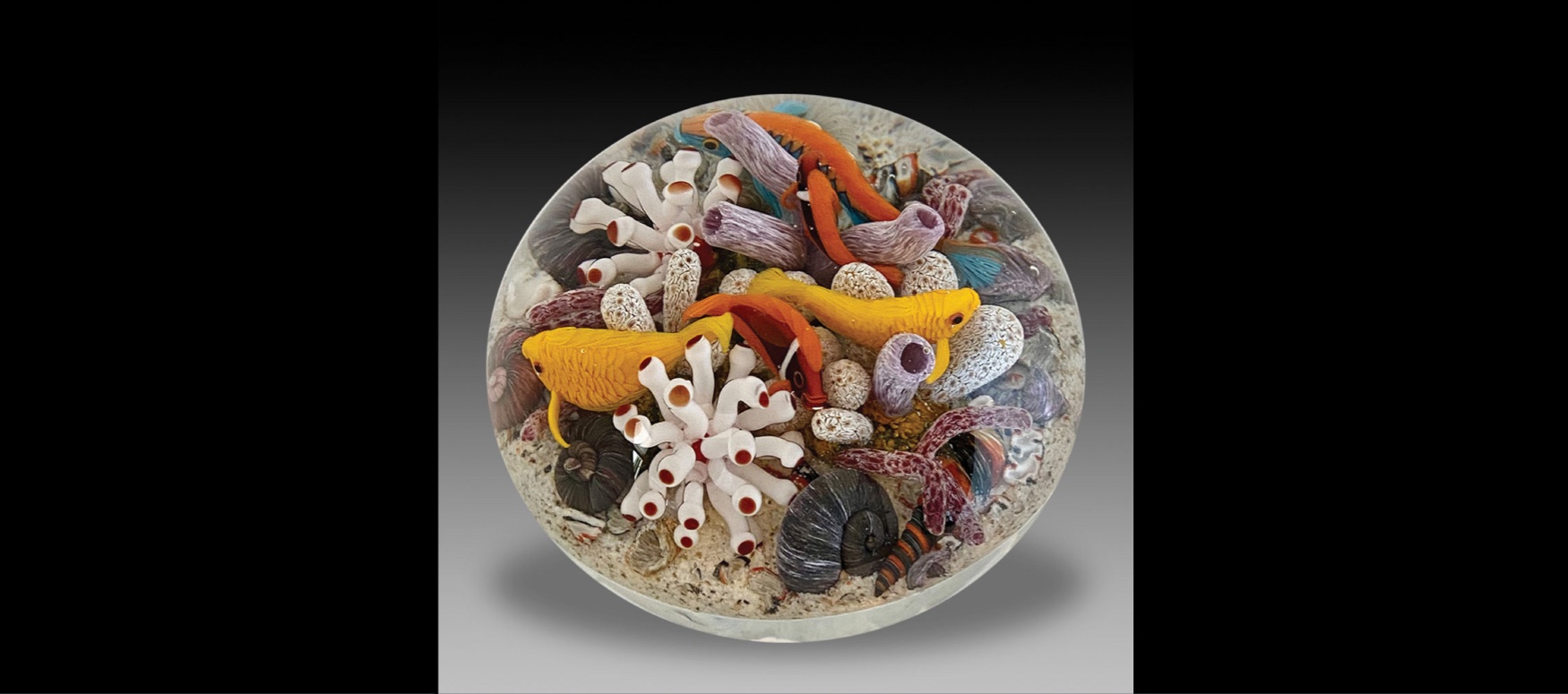
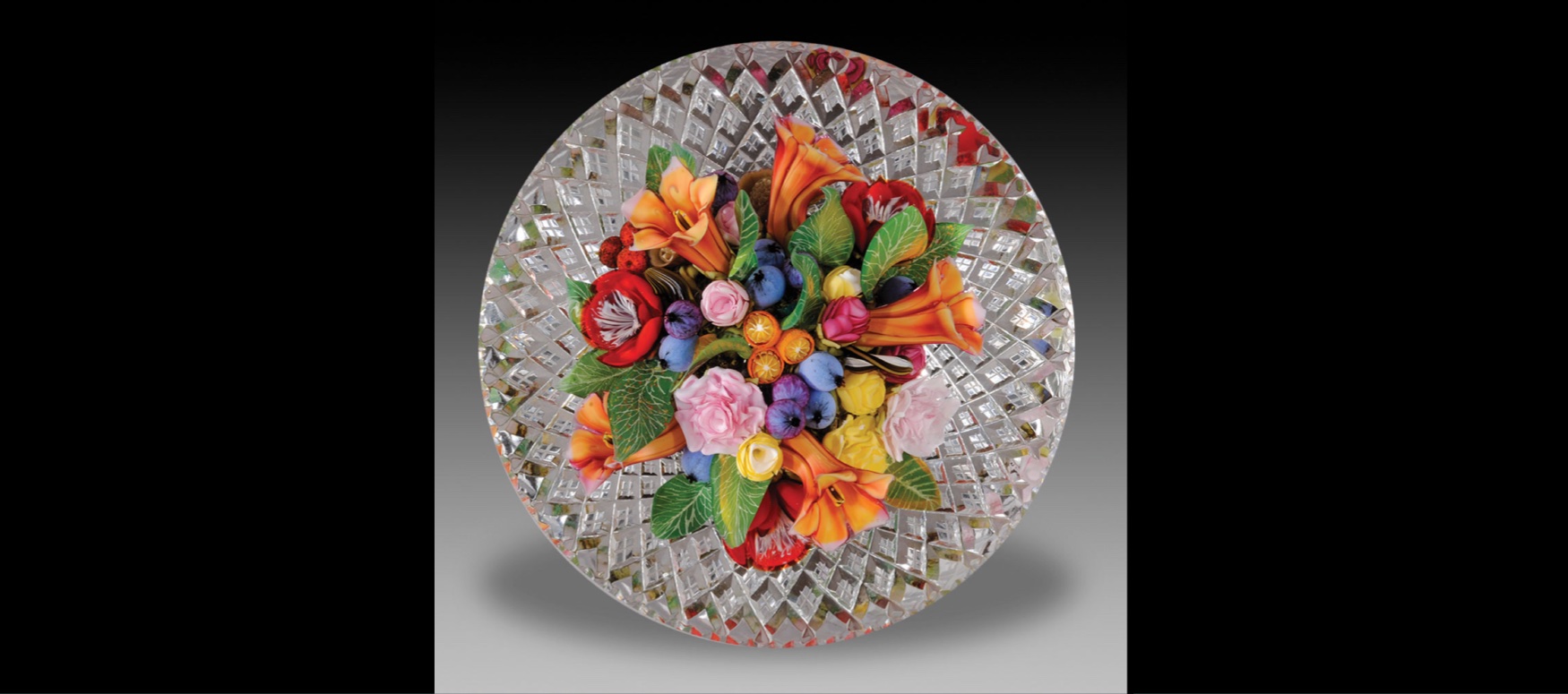
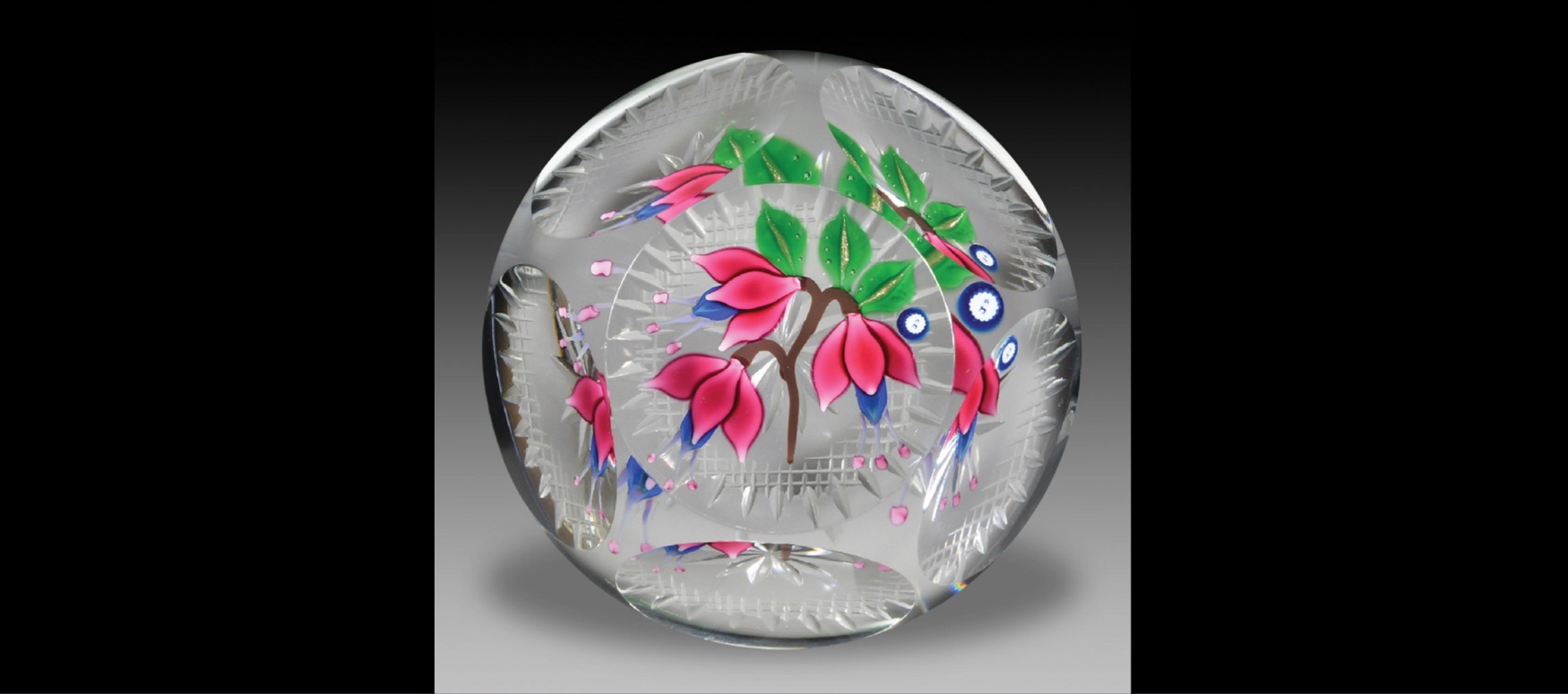
a non-profit organization dedicated to appreciating and collecting
glass paperweights. For a half-century, the PCA, Inc has championed
the study and collecting of antique, vintage, and contemporary glass
paperweights. The mission of the PCA, Inc is to promote education:
to increase knowledge about paperweights, their creators, and the
astounding glass medium from which they are created. |
|
click image to enlarge
|
|
| |
|
|
The
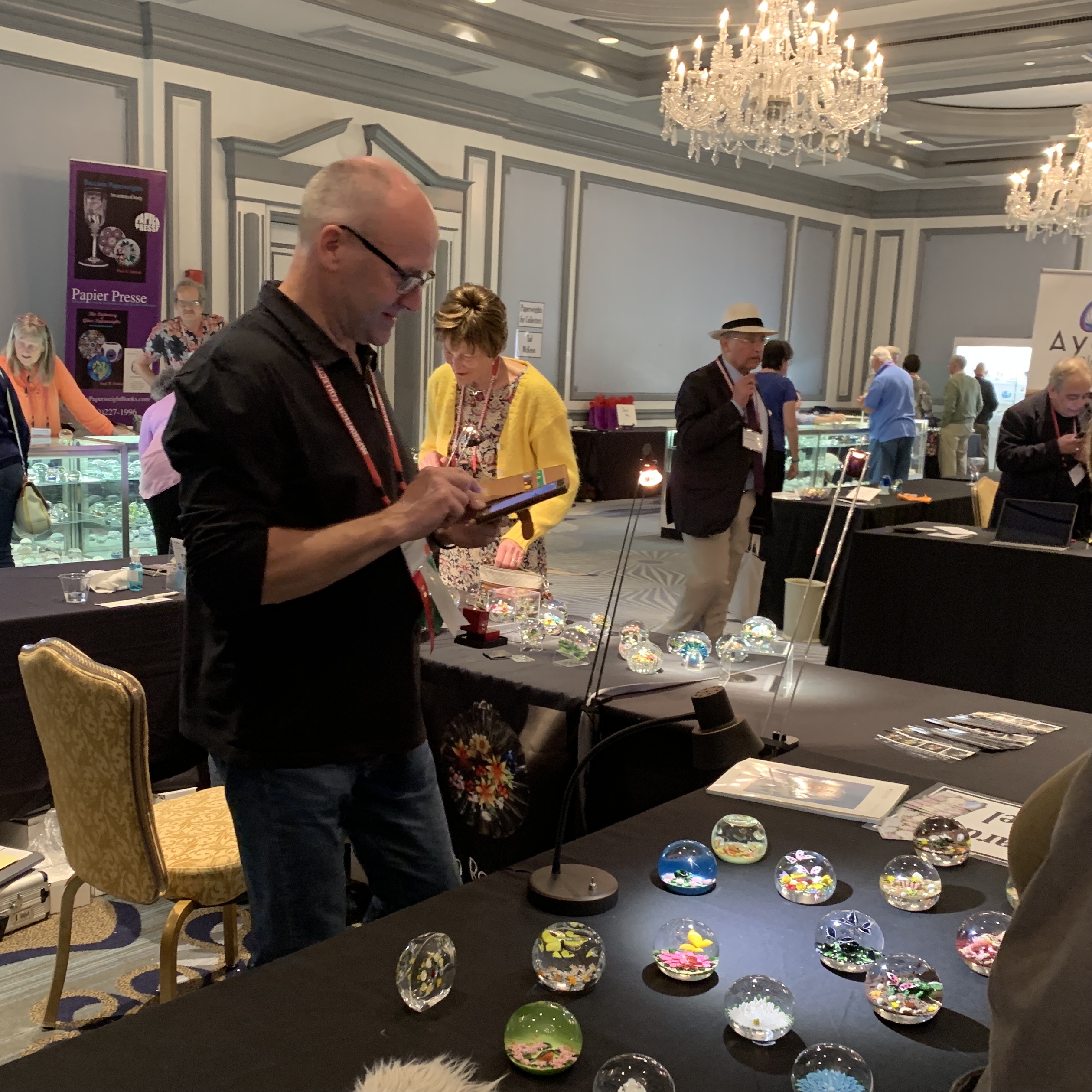
PCA, Inc. consists of a convivial group of contemporary artists,
dealers, collectors, libraries, and museums from around the globe.
The interest in glass paperweights is the common thread that binds
the membership: many of our members are just starting out with a
few paperweights while others have established collections numbering
in the thousands. There is something for every collector in terms
of taste and budget. It is the variety and diversity of glass paperweights
that make them so interesting to collect!
|
|
2013
PCA, INC. CONVENTION
The 2013
CONVENTION will be in NEW ORLEANS. It opens on Wednesday
evening, June 5 with an artistic reception, and closes on Saturday,
June 8 with a banquet. The Convention hotel is the Astor
Crowne Plaza, located at 739 Canal Street. This location is
at the corner of Canal and Bourbon Streets. in the French Quarter.

Looking out
at Bourbon Street
from the balcony of the Astor
Crowne Plaza
The special
PCA Convention room rate is $165 per night, and is available from
May 31st to June 11th, with the Convention opening on Wednesday
June 5th. One night's deposit will be required when you make your
reservation. The rate includes the use of the gym, outdoor swimming
pool, and Internet connection available in each room. You can make
your reservations online by clicking the RESERVATIONS button:

The group block
code is PCA. Reservations may also be made by calling the hotel's
in-house reservation department at (888) 696-4806 or (504) 962-0500/Ext.
8030 and ask for the 2013 Annual Conference group rate (group block
code PCA). Reservations may be made from 8:00 AM - 8:00 PM (Central
Time) Monday-Friday, and 8:00 AM - 4:00 PM Saturday-Sunday. Members
needing accessible rooms are encouraged to call the hotel for reservations.
If you encounter any difficulties when making reservations, please
let us know by using the Contact Us form on this website. Check
this website and the PCA, Inc. Newsletter for the latest information
about the hotel and pre-convention opportunities in New Orleans.
The program
committee has created a program that is both educational and enjoyable,
and that will also enable the attendees to explore the wonders
of New Orleans. As offered in past conventions, there will be
an optional activity -- a bus tour around New Orleans -- offered
to early arrivals (who are also PCA members).
2013
Convention Program (pdf flyer)
CONFERENCE REGISTRATION IS NOW OPEN!
We offer two
kinds of online registration, based on choice of payment:
If you would
like to pay by check or money order, either:
|
|
We
encourage you to read some of the materials on this website about
paperweights and paperweight collecting. We also encourage you to
join this organization.
|
| THE
BENEFITS OF JOINING THE PCA, INC. INCLUDE:
- Receive the
annual PCA, Inc. Bulletin. It is a hardback publication with special
paperweight articles and beautiful color illustrations of antique
and modern paperweights and paperweight objects. It is one of
the definitive publications in the field and is itself a collector's
item.
- Receive
four newsletters per year, each containing a calendar of events,
and news about developments in paperweight making and collecting
and news about regional paperweight collecting associations. There
is also a classified ad section for both the purchase and sale
of paperweights and publications by dealers and collectors.
- Being able
to attend the bi-annual conventions. These conventions bring together
the collectors, dealers, and experts who provide identification
clinics, workshops, and tutorials on various aspects of the hobby.
They are often held in proximity to a world-class collection or
are the motivation to assemble a once in a lifetime world-class
collection.
- But most
of all, it can help you connect with others with similar interest
in collecting antique, vintage, and contemporary glass paperweights.
|
|
PAPERWEIGHTS:
Paperweights
evolved from the functional to the beautiful during the early part
of the industrial revolution. As the economic engines of commerce
began to generate bills, letters, and other business paper something
had to be provided to hold them down during the breezes that were
common when offices had windows and air was allowed to waft through
the workplace. Early paperweights were simple, functional items
of metal or glass. By the 1840s, a whole industry emerged in France
that would transform the simple paperweight into a glorious work
of art for every desktop.
The French glass factories of the 1840s stood on the shoulders of
the Italian glass workers of Murano (Venice) who continued the artistic
traditions of ancient Rome. While the Italians utilized and retained
many of the ancient processes, the French were the first to capitalize
on the optical characteristics of glass. They enclosed their decorations
motifs within glass spheres and made the magnification part of the
total effect. Their paperweights of the late 1840s stand as the
artistic pinnacle of the classic period. The Crystal Palace Exhibition
in London in 1851 showcased the French and German/Bohemian paperweights
and they were subsequently emulated and 'improved' by the glass
houses in the United Kingdom and slightly later in the United States.
Paperweights
of interest to current collectors can be divided three periods:
The
Classic period starts in the 1840s and runs through the 1880s
and was centered in France (Clichy, St Louis, Baccarat, and Pantin),
England (Walsh-Walsh, Bacchus, and others), and then America (Boston
& Sandwich, New England Glass Company, and Pairpoint).
The Folk Art and Advertising period began
in the 1880s and continued into World War II. Some of the most original
American contributions to paperweights were made in Millville New
Jersey, including the crimp rose and the frit weights (decoration
made with powdered glass). This period saw the decline of the major
glass factories (as mechanization changed how glass was made) but
saw the advent of small, family-run glass factories that continued
paperweight making.
The Contemporary period started
after World War II when Charles Kaziun almost single-handedly reinvented
the processes and mechanisms used to create the classic paperweights
and introduced the "studio glass" artist - an artist effectively
works alone in a studio to create glass paperweights and other glass
objects using the techniques first popularized by the classic period.
|
COLLECTING
PAPERWEIGHTS:
Collecting paperweights began almost as soon as they began to appear
on the market. There are many ways to collect and to enjoy the beauty
of antique or modern glass paperweights.
Four general approaches include:
Probably the most common collecting style is the
type collecting where the collector accumulates one good example
of each major type of paperweight style (millefiori, lamp-work, sulphide,
etc) from one or more of the glass factories. This collecting style
provides a broad spectrum of weights in a single collection.
The theme collector tends to collect paperweights
that have a unifying theme or common thread. For example, a theme
collector may collect paperweights that contain birds or specific
flowers. There are some interesting collections that only contain
paperweights that are purple or sulphides of politicians.
The in-depth collector likes to specialize
on one type of paperweight and often have the "definitive"
collection of a specific type of paperweight. The depth and breadth
of this collection style makes it easy to study the variation in manufacturing
techniques and can be useful in identifying "mystery weights"
that occasionally appear in the hobby.
Probably the most fun collecting style (and the
style most people use when they start collecting) is I like it
so I have it. This style is perfectly acceptable and a lot of
fun - although going to the other collecting styles eventually makes
keeping track of what you already have a little simpler and makes
your collecting universe a bit easier to manage.
As important as the books on paperweights (and they have been being
issued in rapid succession in the past few years as more and more
people start collecting) is the paperweight collecting community,
which is best represented by the Paperweight Collectors Association,
Inc. and the website: www.paperweight.org (which you are viewing).
This organization publishes quarterly newsletters, annual bulletins
containing a wealth of paperweight information, and sponsors a major
gathering of collectors, dealers, and contemporary paperweight artists
every other year. |
|
ARTIST
OF THE MONTH:
THOR WALKER / HERAKLES
|
|
|
|
|
click
image for enlargement
|
|
click
image for enlargement
|
Thor Walker
is a French-American designer of luxury items. In 1995 he founded
the New York-based company Herakles, with its workshop based in
Paris. Partnering with master craftsmen from around the world, Herakles
is known for exquisitely made luxury products and more recently
vases and paperweights.
Thor Walker
graduated Master of Law from the University of Paris in 1994 and
is the founder and President of the French-American Cultural Center
of New Jersey (FACCONJ).
Shown here are
two magnum lead crystal sulfide paperweights, diameter 3.7", height
2.67". (The photo on the right includes a side view.) Each Herakles
Dragon cameo paperweight has 117 scales, 5 eagle claws, tiger legs,
and small flames and is hand-modeled to contain incredible detail.
The low- relief coloured cameo is then fired and hot-worked and
encapsulated by the Herakles glassworkers into an hemispherical
paperweight.
Building on
the pioneering work of Bohemian glassworkers in the late 18th century
and the exquisite craftsmanship of the French cameo makers at Baccarat,
Saint-Louis and Clichy, Thor Walker and his team have added colored
cameos to their lead crystal paperweights. No other crystal maker
has attempted to include a colored sulfide cameo because the color
was lost as soon as it came into contact with the hot crystal. The
master porcelain maker at Herakles has overcome the problems to
contribute to these beautiful paperweights.
By tradition
cameo portraits on medallions commemorated an important public figure.
Rather than representing a historic figure, the Herakles dragon
paperweight evokes both the Asian myth as well as medieval dragon
lore.
You can contact
Thor Walker at (646) 797-1044 or e-mail him at walker@heraklesparis.com.
|
|
|
"The Paperweight
Collectors Association (PCA, Inc.), a nonprofit organization, was founded
in 1953 and has members throughout the world. The PCA, Inc. became a §501(c)(7)
organization in 1988, a §501(c)(3) organization in 1996, and was incorporated
in the state of Pennsylvania in 1995. The PCA, Inc. is a mutual organization
for the benefit of its members. It does not discriminate against applicants
or employees on the basis of age, race, sex, sexual orientation, color,
religion, national origin, size, disability, socioeconomic background, or
any other status protected by state or local law." |